


Reading the Appraisal Clause in Your Wisconsin Property Policy
The appraisal clause is short, but each phrase shapes how a dispute plays out. Here’s how to read the version in your Wisconsin policy.
Read the guide
Your insurer accepted the claim, but the check won’t cover the repair. Wisconsin Insurance Appraiser builds an independent, line-by-line valuation of the loss and takes it through the appraisal process written into your policy.
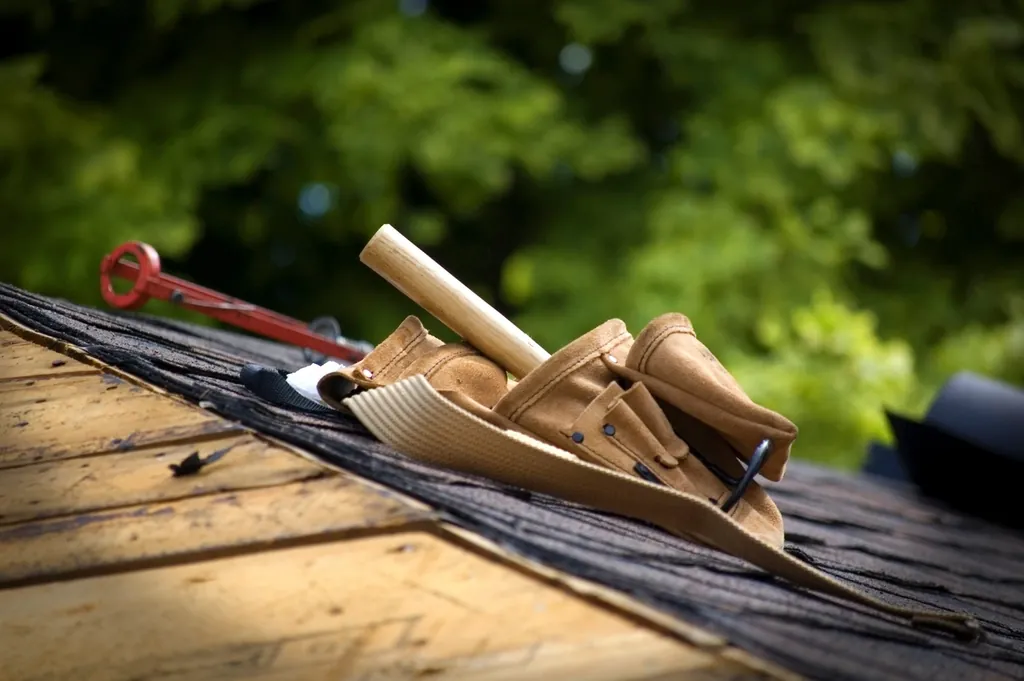
Most short claims aren’t denials. They’re estimates that leave things out: the second roof slope, the ice and water barrier a cold-climate roof needs, the plaster wall priced as drywall, the basement finish missing from a backup claim. A Wisconsin Insurance Appraiser is there for the space between “covered” and “paid in full.”
Every season here produces its own claims. A Wisconsin Insurance Appraiser has to know how a polar-vortex freeze, a June hailstorm and a July derecho each show up on a roof, and in an estimate.
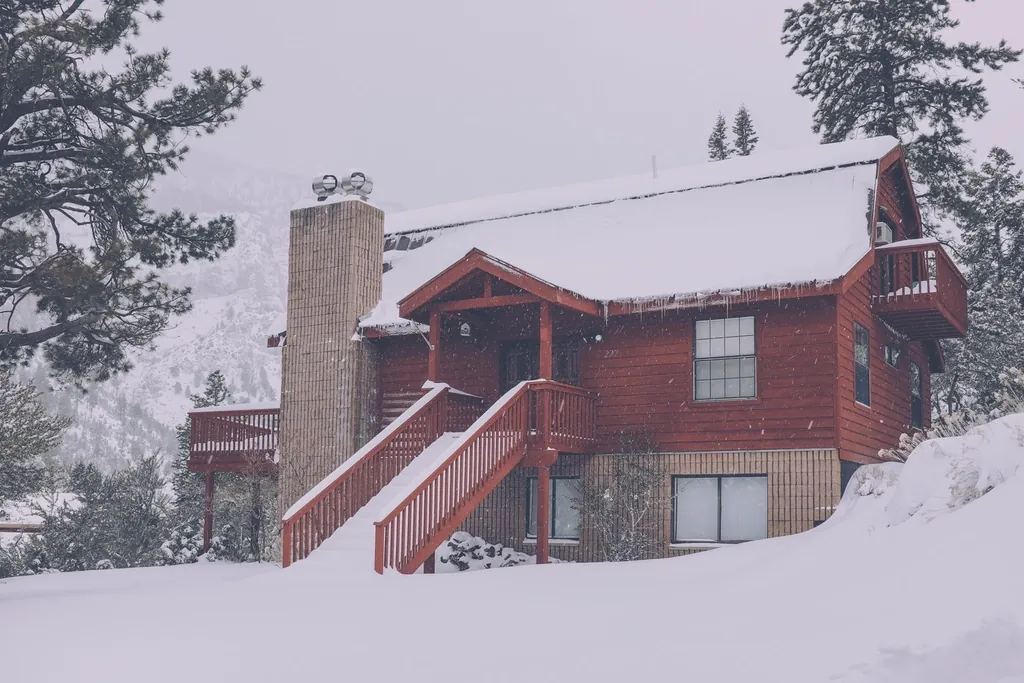
Long stretches below freezing put more strain on Wisconsin homes than any single storm. Ice dams push meltwater under shingles, polar-vortex cold splits supply lines inside exterior walls, and heavy, wet snow loads test older trusses and farm buildings. These claims often surface weeks after the damage starts.
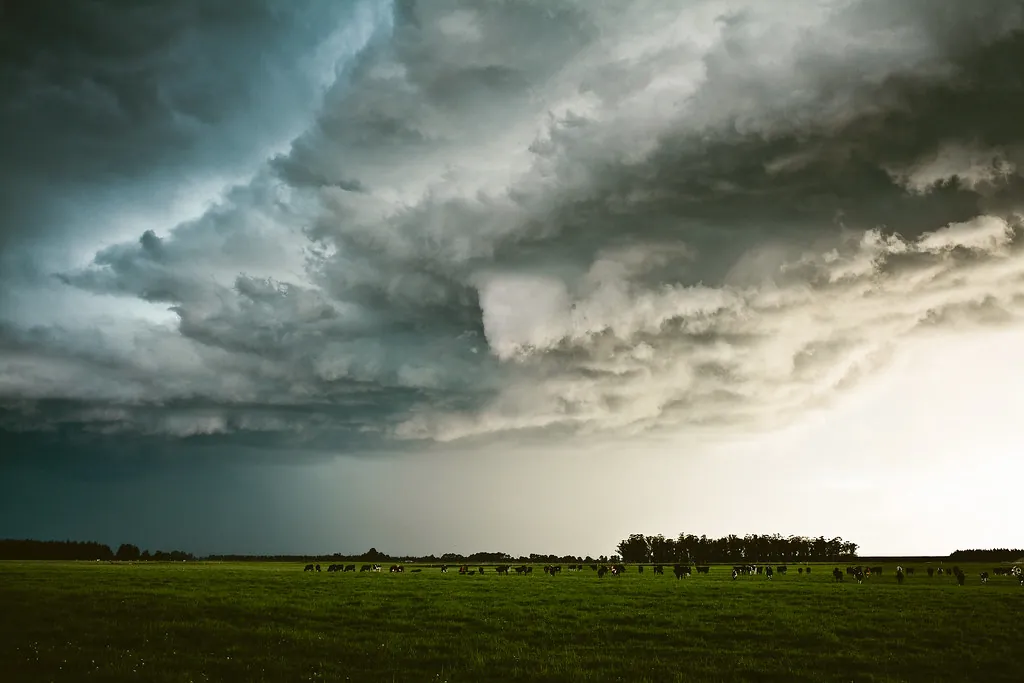
Severe-weather season builds through spring. Hail tracks across the southern and western counties, and tornado outbreaks such as the August 2005 storms around Stoughton show how quickly a neighborhood can change. Thawing ground and spring rain add basement water claims to the mix.
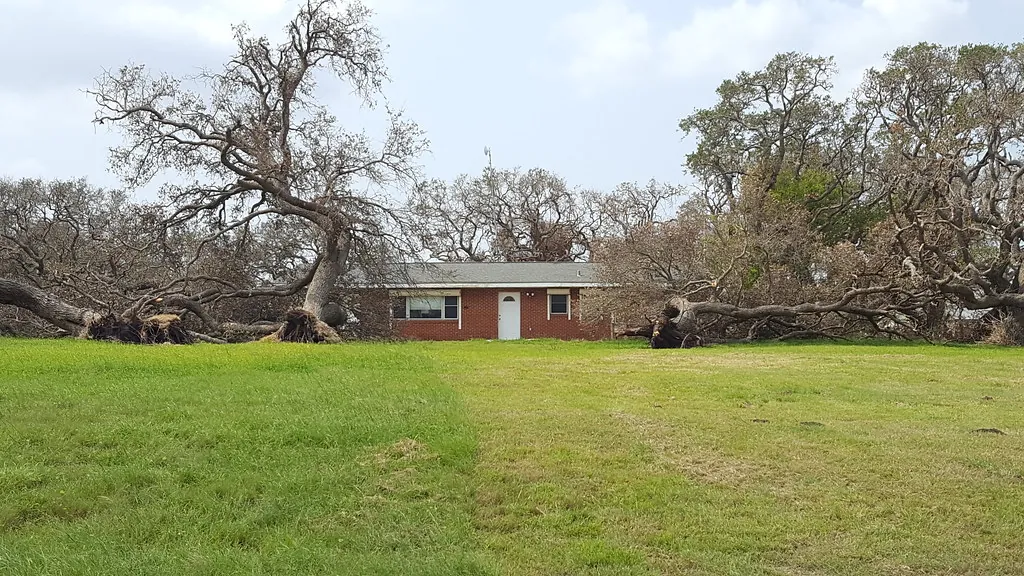
Fast-moving lines of storms can flatten timber and peel roofs across several counties in an afternoon, as the July 2019 derecho did in the north. In cities, a few hours of extreme rain can overwhelm sewers: Milwaukee in 2010 and Dane County in 2018 saw widespread basement backups.

Autumn storms bring down limbs heavy with leaves, and late-season hail still happens. It’s also the deadline season for many claims: owners racing to finish roof repairs before snow, and depreciation holdback windows that close before the work can be done.
Twelve services with one goal: a valuation of your loss that holds up. Start with an estimate review, or bring us in once appraisal has been demanded.
 01
Once appraisal is demanded, we serve as the appraiser you appoint and carry your side of the valuation to the finish.
View service02Appraisal for single-family homes, duplexes and Polish flats, condo units, and lake cottages or cabins across the state.
View service 03
Appraisal for commercial buildings, apartment properties, condo associations and churches with large or complex losses.
View service 04
Appraisal for hail-damaged roofs, siding, gutters and windows when the carrier offers repairs instead of replacement.
View service 05
Appraisal for tornado, derecho and straight-line wind losses, from torn shingles to structural damage and fallen trees.
View service06Appraisal for roof collapse, sagging trusses and structural damage caused by the weight of snow and ice.
View service 07
Appraisal for sudden water damage, burst supply lines and sewer or drain backup claims under your endorsement limits.
View service 08
Appraisal for fire, smoke and soot losses, including cleaning versus replacement disputes and contents.
View service 09
Appraisal for Wisconsin’s classic winter claims: ice dams, frozen and burst pipes, and deep-cold damage.
View serviceThe appraisal clause swaps an open-ended argument for a defined process with a binding result. Here’s the route from first call to signed award.
We read the policy, the insurer’s estimate and your photos, then tell you plainly whether appraisal is the right tool for the gap you have.
We inspect and measure the property ourselves and build a line-item estimate priced for your part of Wisconsin.
Appraisal is demanded in writing and Wisconsin Insurance Appraiser is named as your appraiser within the policy’s time limit.
We go through the disagreement line by line with the insurer’s appraiser. Many disputes narrow sharply here.
Anything still unresolved goes to a neutral umpire. Signatures from two of the three set the amount of loss.
Enter the two numbers you already have. A large gap is worth a conversation with a Wisconsin Insurance Appraiser. A small one may close faster with a documented supplement request.
The full settlement gap calculator adds appraiser and umpire fees and shows your break-even point.
The figures shown are illustrative. Replace them with your own.
Seven tools built from real appraisal work, including a roof snow-load calculator made for Wisconsin winters. Everything runs in your browser; nothing is stored or sent.
 $Calculator
Size the disputed amount, test award scenarios, subtract fees and find the break-even point.
 ACVCalculator
Split a replacement-cost claim into the first check, the depreciation held back and the final total.
▲CalculatorTurn a footprint into true roof squares, bundles and the ice-and-water barrier a cold-climate roof needs.
%CalculatorSee a wind/hail percentage deductible in dollars and how much less a storm claim would pay.
◷PlannerMap notice, proof-of-loss, depreciation and suit dates from your date of loss, then export them.
 ✓Checklist
Answer 12 yes/no questions to score your claim file and get a to-do list before demanding appraisal.
❄CalculatorEstimate how heavy the snow and ice on your roof are and compare them with a design load.
We work in every county. These are the cities where Wisconsin Insurance Appraiser handles claims most often, each with its own housing stock and storm history.

Milwaukee bungalows, Madison condos, Fox Valley ranches, Driftless farms and Up North cabins.
All Wisconsin citiesThese well-known events are part of why a Wisconsin Insurance Appraiser reads every estimate with local weather in mind. Swipe for more.
A violent overnight tornado in June devastated the Iowa County village west of Madison.
A July tornado rated F5 tore through the Fond du Lac County village of Oakfield.
More than two dozen tornadoes in one day, with heavy damage in and around Stoughton.
Days of rain drained Lake Delton and flooded communities across southern Wisconsin.
A July cloudburst sent water and sewage into basements across the metro.
Record August rainfall west of Madison flooded homes, roads and businesses.
July downbursts flattened forests and damaged roofs across the north.
Each solves a different problem. Wisconsin Insurance Appraiser will point you elsewhere when appraisal isn’t the right tool.
Plain answers about how appraisal works, what it costs and when it’s the wrong move.
We put a dollar value on property damage when you and your insurer agree the loss is covered but disagree on what it costs. As your appointed appraiser we inspect, build an independent line-item estimate, work with the insurer’s appraiser and, when needed, present unresolved items to a neutral umpire.
No. A public adjuster handles and negotiates the whole claim. An appraiser works inside the policy’s appraisal clause on one question: the amount of loss. We don’t negotiate claims outside appraisal and we don’t give legal advice.
When coverage has been accepted, you have the insurer’s estimate, and the gap between that number and a real repair price is meaningful, often more than about 10% or several thousand dollars.
On the amount of loss, an award signed by two of the three panel members is generally binding. That’s why the documentation you bring matters so much.
Each side pays its own appraiser and usually half of the umpire. We put our fee arrangement in writing before any work starts, and the first conversation costs nothing.
Yes. We work in all 72 counties, from Kenosha and Milwaukee to Green Bay, La Crosse, Eau Claire, Wausau and the North Woods.
Practical reading on policy language, documentation and Wisconsin weather claims before you demand appraisal.
The appraisal clause is short, but each phrase shapes how a dispute plays out. Here’s how to read the version in your Wisconsin policy.
Read the guideIce dams are a fact of Wisconsin winters. Here’s how coverage typically works, where claims get disputed and how to build a strong file.
Read the guideGood photos taken soon after a storm are the backbone of a hail claim. Use this checklist to document what an adjuster or appraiser will need.
Read the guide
A short review now can keep you from accepting a payment that won’t cover the repair.
Tell us what happened and what the insurer offered. We’ll review it and tell you straight whether appraisal is worth pursuing, with no pressure and no obligation.
